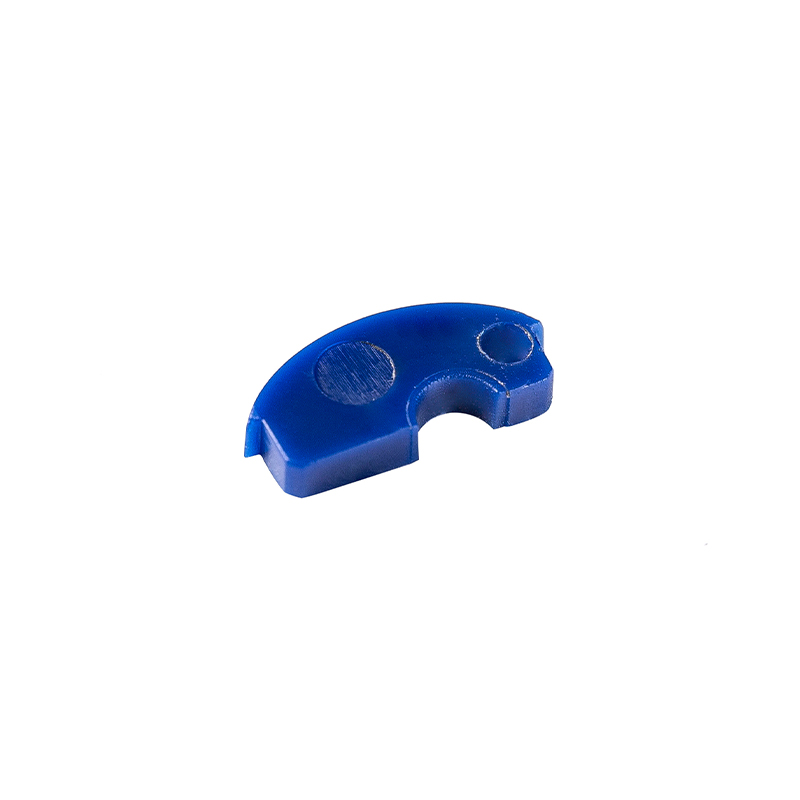
Low Volume Plastic Injection Molding: A Practical Guide for Short Runs and Prototypes

Nov 26,2026Çin Plastik Enjeksiyon Kalıplama: Hassas Parça Tedarikine Yönelik Pratik Bir Kılavuz
Nov 20,2026Plastik Enjeksiyon Kalıpları: Pratik Tasarım ve Üretim Kılavuzu
Nov 14,2026Tıbbi Cihazlar için Plastik Enjeksiyon Kalıplama: Pratik Bir Kalıpçı Kılavuzu
Nov 06,2026Enjeksiyon Kalıplama Parçaları: Medikal, Otomotiv ve Daha Fazlası için Hassas Plastik Bileşenler
Oct 29,2026Not every good product needs a million parts a year. Some of the most interesting work that comes through our shop involves a few hundred pieces, a few thousand, or a single pilot lot that has to be right because a patient or a production line depends on it. Low volume plastic injection molding is the craft of making those runs economical, repeatable, and every bit as precise as a high-volume program.
We have been building precision molds and molding small-to-medium plastic parts in Suzhou since 2002, mostly for medical device, automotive, electrical, motor, food machinery, and water quality testing customers. Our plant covers more than 10,180 square meters, and the tools we run are cut in-house rather than outsourced. That combination is what makes modest batch sizes practical for us.
What follows is a practical view of tooling, materials, and cost when volumes are modest, written so you can plan a short run with realistic expectations.
Ask ten suppliers and you will get ten definitions. In everyday production planning, low volume usually means somewhere between 100 and 10,000 parts per order or per year, with some programs stretching to 50,000. Below roughly 100 pieces, additive manufacturing or CNC machining often beats a molded part on total cost, simply because no tool has to be built.
The more useful definition is economic: a run is low volume when the tool is expensive relative to the batch. In that situation the mold has to be cheaper to build, faster to deliver, or flexible enough that a design revision does not mean starting over.
| Factor | Low-volume work | High-volume work |
|---|---|---|
| Typical batch size | 100 to 10,000 parts | 100,000 parts and up |
| Mold material | Aluminum or pre-hardened steel | Hardened tool steel |
| Tool lead time | Measured in weeks | Often two to three months |
| Cost per part | Higher, because tooling carries weight | Among the lowest of any process |
| Design changes | Still affordable after first samples | Slow and expensive |
| Best used for | Prototypes, pilots, bridge supply, spares | Stable, mature products |
Short runs are rarely a stepping stone nobody cares about. In our experience they carry real weight in several situations:
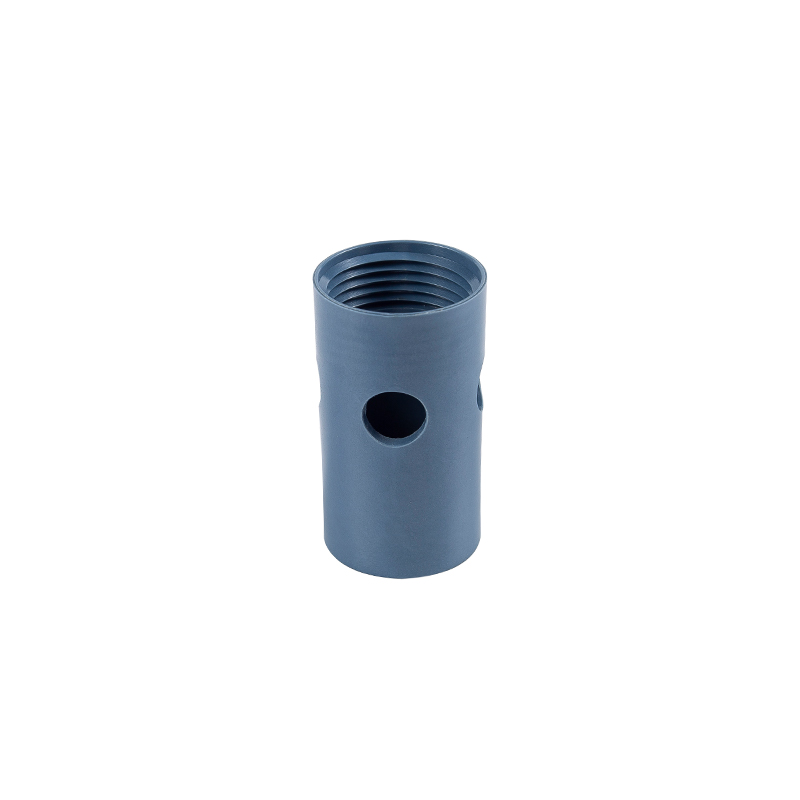
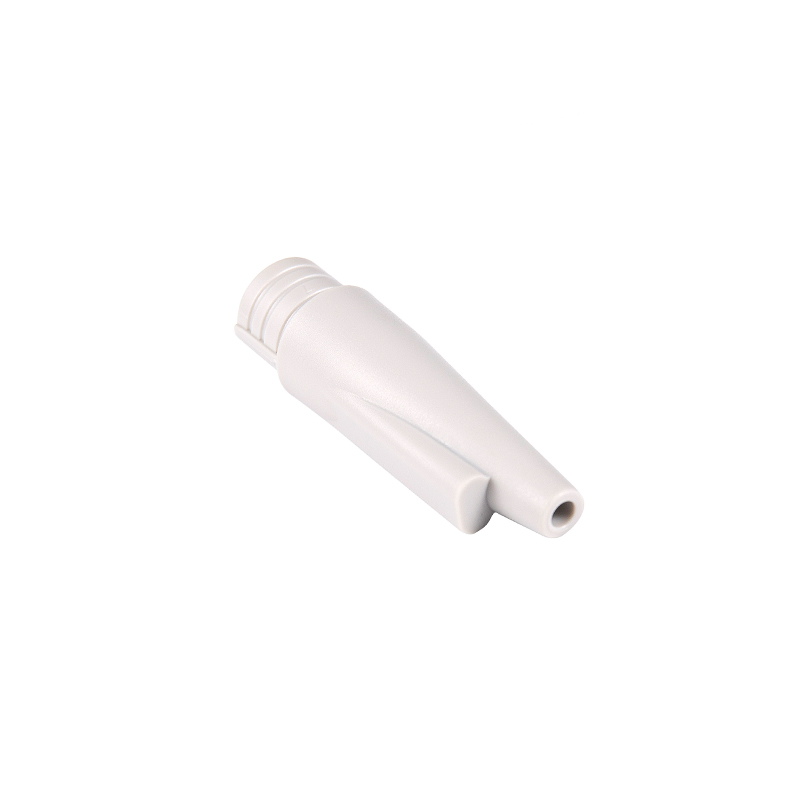
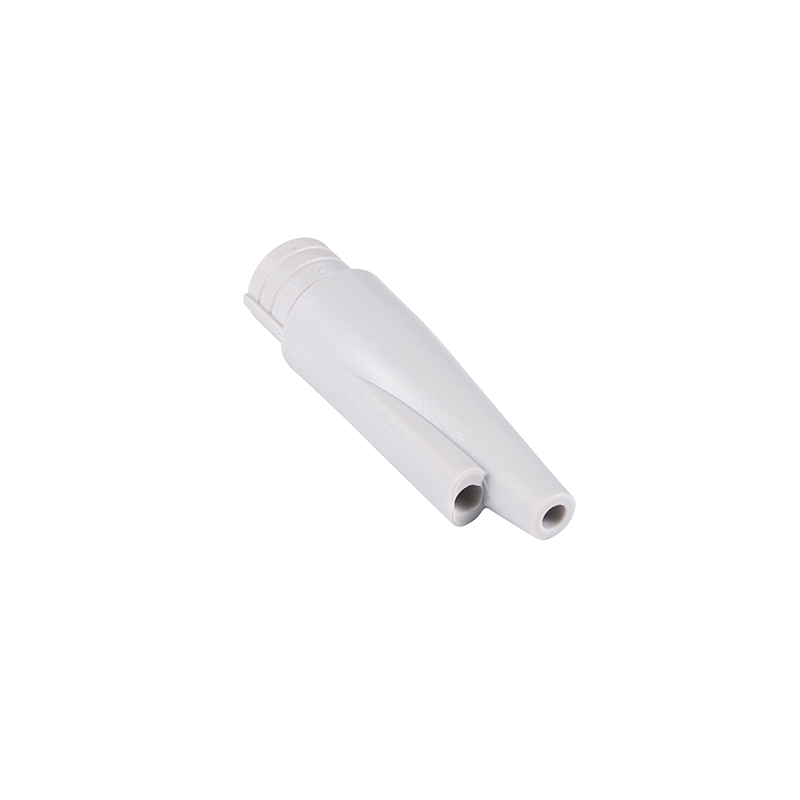
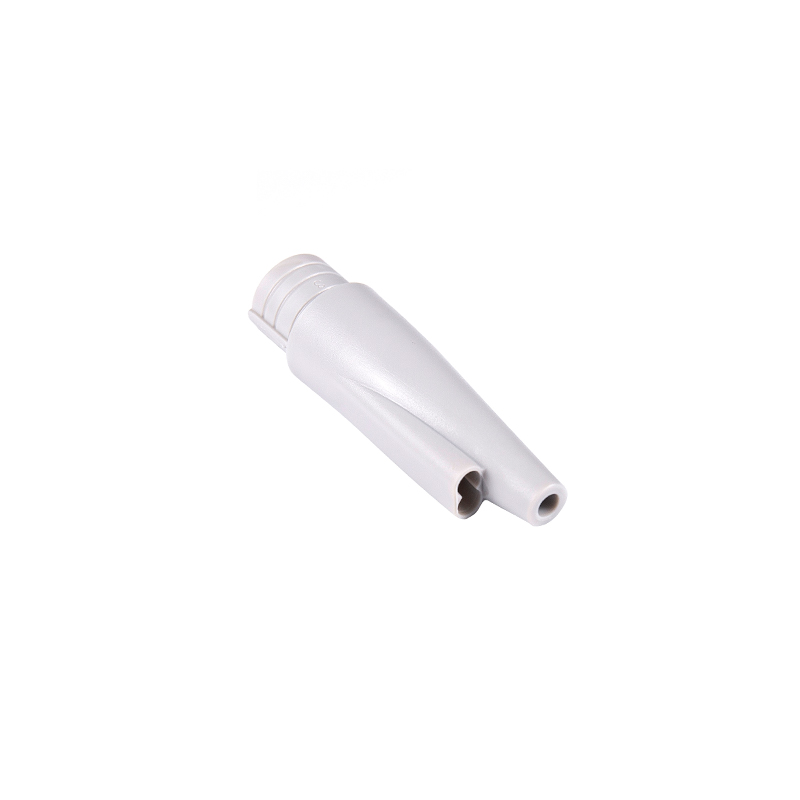
One clear example sits in our water quality tester line: an instrument program may only build a few hundred units a year, yet each unit needs a small protective cover that fits a sensor head precisely. That part weighs just 6.5 grams, but the tool still has to be accurate, because a loose fit would compromise a measurement the customer relies on.
6.5g PPS Water Quality Tester Protective CoverA 6.5g PPS molded cover with precise fit and access to display and buttons, suited to short-run water tester production.View Product →A disciplined short run follows the same sequence as a large one, just compressed:
Tooling is where most of the money is decided, so it deserves the most careful conversation. The table below is a simplified view of the options we discuss most often with customers.
| Tool option | Typical batch | Main advantage | Watch out for |
|---|---|---|---|
| Aluminum cavity | Hundreds to a few thousand | Fast to machine, lower tool cost | Softer surface; wears faster with abrasive glass-filled resins |
| Pre-hardened steel (P20 type) | A few thousand and upward | Holds tolerance across longer runs | Higher tool cost and a longer build |
| Modular or family insert | Mixed small orders | One base tool covers several similar parts | More planning before the first cut |
Two practical rules of thumb serve us well. First, match the mold material to the resin and the quantity, not to habit; a 30% glass-filled nylon will punish a soft cavity over thousands of shots. Second, decide gate position early, because a gate moved after the tool is cut costs far more than a good simulation before it.
Because a short run leaves little room for trial and error, material selection tends to be conservative and well documented. In our own production we regularly mold PA6, PA66, PA612, PA12, POM, PBT, PC, ABS, HIPS, PP, TPEE, and specialty grades such as PA66 with 30% glass fiber and PTFE, PBT with 20% glass fiber, and transparent polycarbonate. Each of those brings a specific behavior at the press, from fast crystallization to moisture sensitivity.
A handful of design habits keep small batches out of trouble:
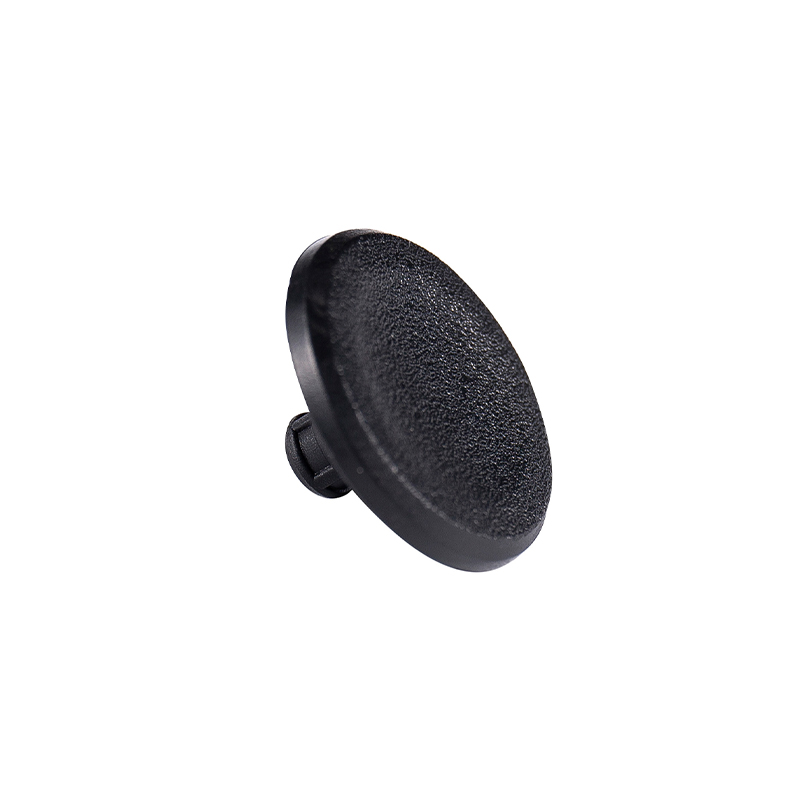
Tolerance-critical small parts show why this matters. A medical injection pen release button made in POM has to keep its dimensions under repeated use and cleaning, and its chemical stability is what allows the pen to be handled safely over its service life.
If you want a deeper reference on cavity layout and tool structure, our guide to mold design components and process covers the building blocks in more detail.
POM Medical Injection Pen Release ButtonA 0.70g POM release button for medical injection pens, designed for precise one-hand dose release and treated for anti-slip hygiene.View Product →The range is broader than people expect. On any given week our presses may be running transparent polycarbonate gastroscope connectors, ABS scalpel handle shells, printer internals in HIPS, POM food machinery gears, and motor end covers with aluminum or sheet-metal inserts.
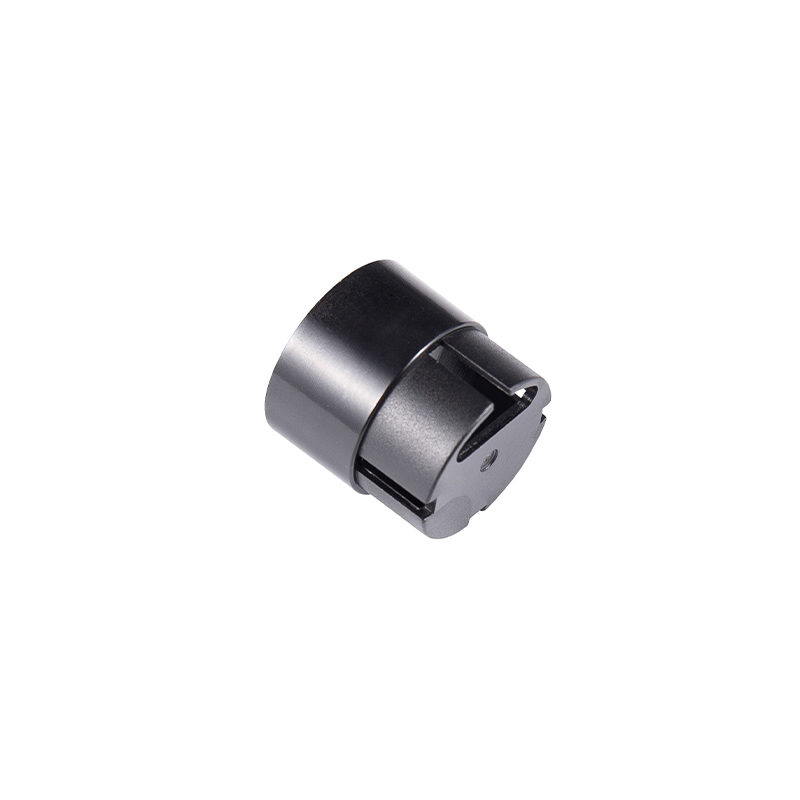
Automotive programs follow the same logic. A power strut bushing in PA66 may be needed in the low thousands for a service part or a low-volume vehicle platform, and it still has to hold its fit and fatigue resistance over years of use. Small quantities do not lower the engineering standard; they simply change how the tool is built.
PA66 Automotive Electric Strut BushingA PA66 bushing for electric strut systems, molded for precise fit and stable support in low-volume automotive service or platform programs.View Product →Cost in a short run rarely behaves the way buyers expect. Tooling dominates the first order, while part price dominates every order after it.
If you need the detailed arithmetic, our article on injection molding costs breaks down tooling, material, machine time, and finishing line by line.
The right partner is usually visible in the questions they ask before quoting. These are the ones we would want answered if we were buying:
Quality documentation matters just as much. Our own quality system went through an ISO 9001 re-audit, and material certificates plus first-article reports are part of every new program, whether the order is 300 parts or 30,000.
If your volume is still uncertain, that is the right moment to talk. Send a 2D drawing and a 3D model, tell us the annual quantity you expect and the environment the part will live in, and we will come back with a tooling approach and a part price at your real volume rather than an imaginary one. Twenty-plus years of molding small, precise parts has taught us that a short, honest conversation at the start saves weeks later on.
Telif hakkı © Suzhou Huanxin Precision Molding Co., Ltd. Her hakkı saklıdır. Özel Plastik Enjeksiyon Kalıplama Tedarikçisi